
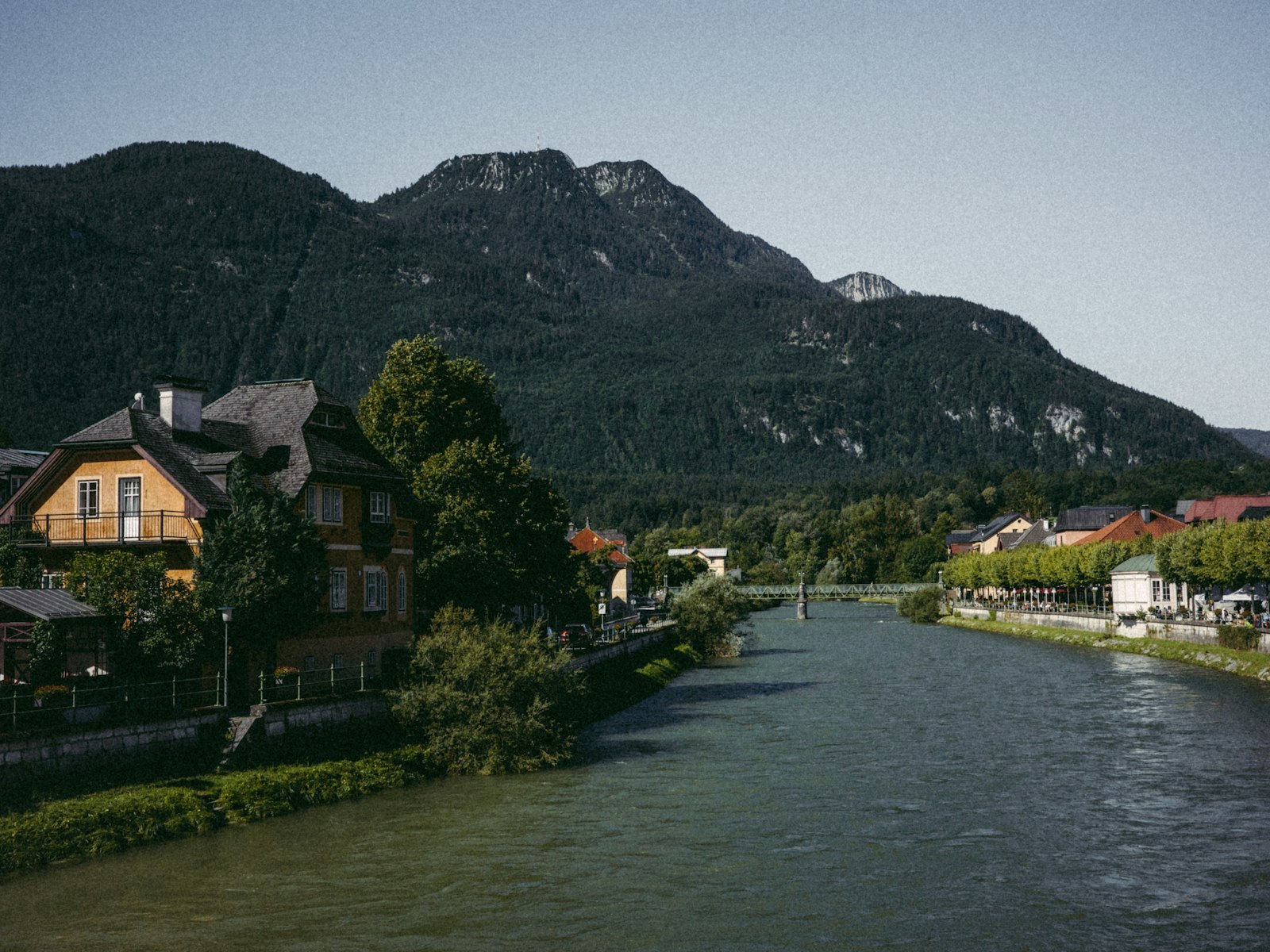
The short answer: In the Salzkammergut, see Hallstatt with its salt mine and World Heritage viewpoint, the imperial spa town of Bad Ischl, St. Wolfgang on Lake Wolfgang and Gmunden on Lake Traunsee. One day covers Hallstatt plus one more stop, three to four days are ideal for the whole lake district. May, June, September and October are the most pleasant months, ideally early in the morning or late in the afternoon.
Top Sights in the Salzkammergut
The Salzkammergut spans Upper Austria, Salzburg and Styria. It owes its name to salt, mined here for thousands of years and the source of the region's wealth. The Hallstatt-Dachstein/Salzkammergut cultural landscape has been a UNESCO World Heritage Site since 1997, and in 2024 Bad Ischl and the region were European Capital of Culture.
Hallstatt
Squeezed between Lake Hallstatt and steep cliffs, this small village is one of Austria's most photographed places. Above it lies a salt mine considered the oldest in the world. A whole era of European prehistory, the Hallstatt period, is named after the famous graves found on the salt mountain. Don't miss the charnel house with its painted skulls and the World Heritage viewpoint.
Bad Ischl
Emperor Franz Joseph spent his summers at the Kaiservilla in Bad Ischl for decades. It was here, in 1853, that he became engaged to Elisabeth, later known as Empress Sisi. The town is still famous for its pastry shops, brine baths and spa atmosphere.
Lake Wolfgang and St. Wolfgang
The pilgrimage village of St. Wolfgang, home to Michael Pacher's famous winged altarpiece, sits beautifully on the shore. A cog railway climbs the Schafberg, where on clear days you can see many lakes at once.
Gmunden and Lake Traunsee
Gmunden is known for its ceramics and for Schloss Ort, a lake castle linked to the shore by a wooden causeway. Lake Traunsee is Austria's deepest lake.
How Much Time Do You Need?
- 1 day: Hallstatt with the salt mine and a stop in Bad Ischl, an easy day trip from Salzburg.
- 2 days: add Lake Wolfgang with the Schafberg or the Dachstein area.
- 3 to 4 days: a lake loop with Gmunden, Mondsee and some hikes.
Best Time to Visit
May, June, September and October offer mild weather and fewer crowds. In midsummer the lakes are warm enough for swimming, but the famous spots are very busy. Winter often brings snow, which makes Hallstatt especially magical, and during Advent there are markets in Bad Ischl, St. Wolfgang and Gmunden.
Practical Tips
- Visit Hallstatt respectfully: Only a few hundred people live here. Stay on public paths and respect private property.
- Come early or late: Before the day trippers arrive and in the late afternoon, Hallstatt is much calmer.
- Arrive by boat: From Hallstatt train station on the opposite shore a boat takes you across, and arriving by water is unforgettable.
- Stay overnight: If you spend the night in the Salzkammergut, you get the lakes to yourself in the evening and morning.
Explore with a Guide
A licensed guide tells the story of salt, the Habsburgs and the old summer retreats, and plans your day to avoid lines and crowds:
- Hallstatt & Salzkammergut
- Kaiserstadt Bad Ischl
- Festung Hohensalzburg & Salzbergwerk
- Salzburg Highlights mit Sound of Music
Hallstatt and Salzkammergut FAQ
How do I get to Hallstatt?
Take the train to Hallstatt station and the boat across the lake, or drive or ride the bus along the lakeshore road. Guided day tours also run from Salzburg.
Is the Hallstatt salt mine worth it?
Yes. It is among the oldest salt mines in the world and gives a vivid look at the history that gave the whole region its name.
Is one day enough for the Salzkammergut?
One day is enough for Hallstatt and one more place such as Bad Ischl or St. Wolfgang. To really enjoy the lake district, plan three to four days.
What is the Hallstatt period?
An early Iron Age era in Central Europe, named after the burial ground on the Hallstatt salt mountain, where major finds were made from the 19th century onward.
Plan Your Salzkammergut Tour
Discover Hallstatt and the Salzkammergut with a licensed guide: book your tour or contact us. More information at Austrian National Tourist Office.